

 AT
AT
Understanding how cells respond to low oxygen environments is central to advancing research into diseases such as pulmonary hypertension. To generate reliable and physiologically relevant results, it is essential that cells are maintained within tightly controlled and stable conditions. At Justus Liebig University Giessen in Germany, researchers are using controlled hypoxic environments to model these processes in vitro and explore the underlying mechanisms.
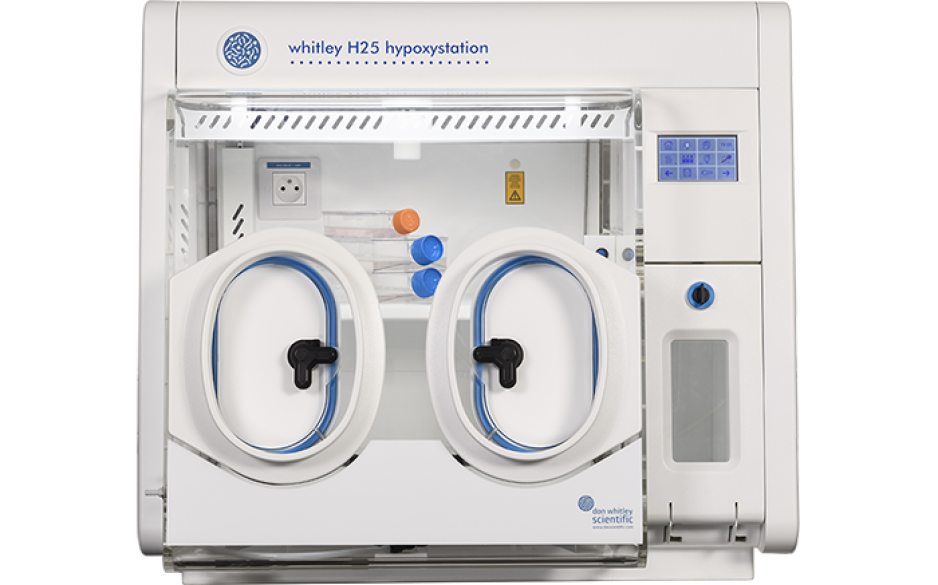
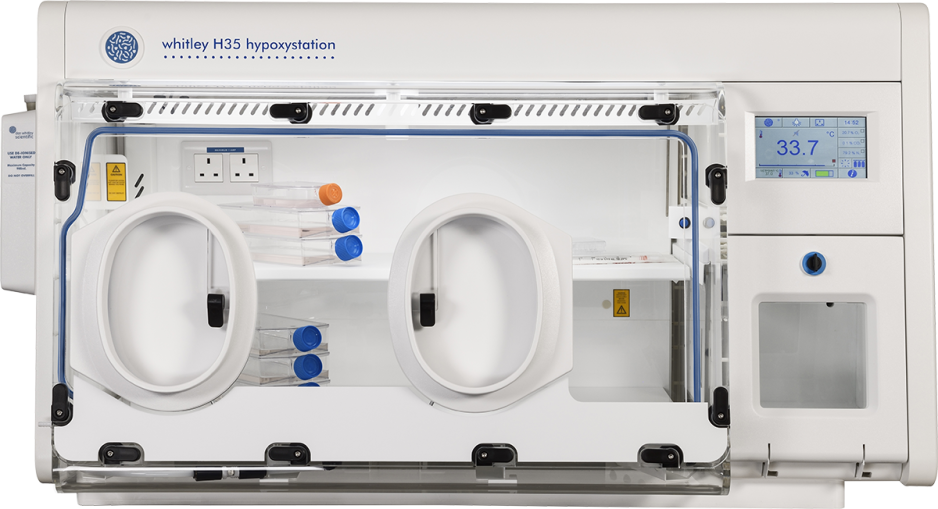
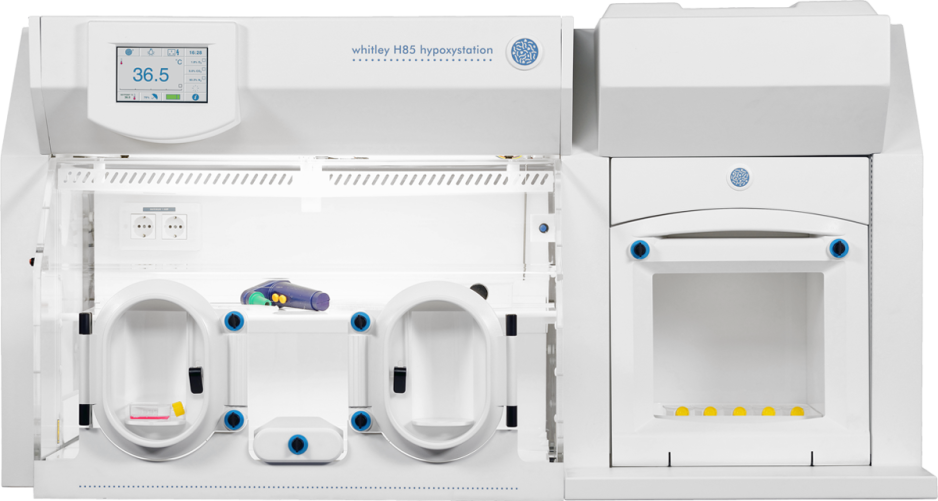
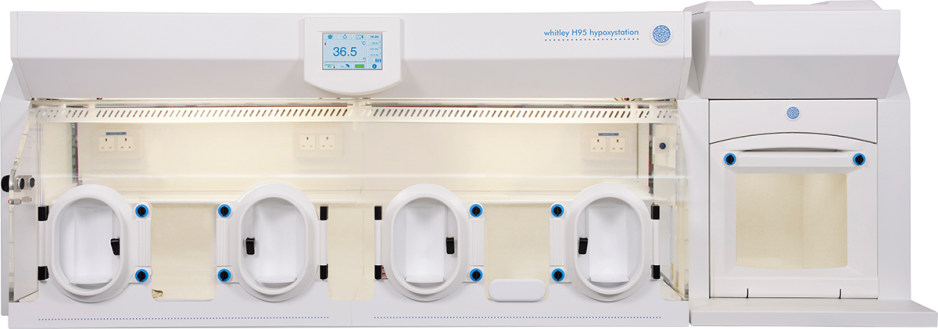
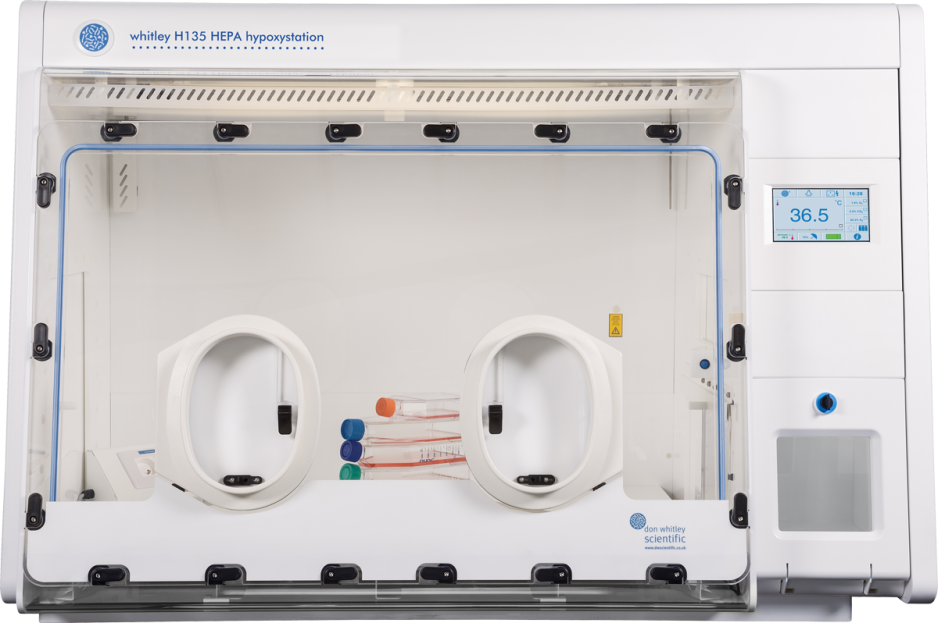
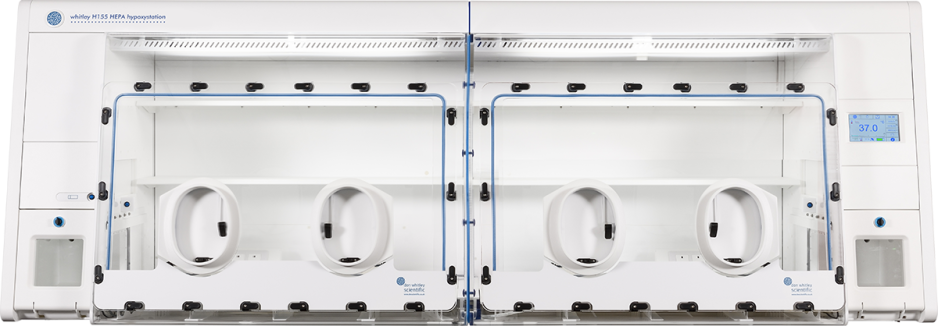
To support this work, a Whitley H35 Hypoxystation was installed at the university’s Center for Infection and Genomics of the Lung by Meintrup DWS Laborgeräte GmbH on 3 February 2026. Building on the lab’s previous use of the Whitley H25, this latest installation reflects continued confidence in Whitley hypoxic workstations to support advanced research applications.
Working within the group of AG Prof. Dr. Soni Savai Pullamsetti, PhD candidate Zahraa Msheik is investigating hypoxia-driven disease processes in pulmonary vascular cells.
Speaking about the importance of controlled hypoxic environments in their work, Zahraa explains:
“Our research in Pullamsetti's lab focuses on the molecular and cellular mechanisms underlying pulmonary hypertension, a severe cardiopulmonary disease in which chronic hypoxia is a critical trigger. To model these conditions in vitro, we rely on the Whitley H35 Hypoxystation. The cabinet enables precise control of oxygen levels, allowing us to reproduce physiologically relevant hypoxic conditions and study processes such as vascular remodelling, cell proliferation, and apoptosis in pulmonary vascular cells.”
With precise control of oxygen (in 0.1% increments up to 20%), carbon dioxide, and relative humidity, the workstation enables research to maintain stable, physiologically relevant environments for cell and tissue culture. This level of control is essential for improving experimental reproducibility and accurately modelling hypoxia-driven biological processes over extended periods.
This installation highlights the growing importance of controlled hypoxic environments in advancing in vitro disease models and supporting translational research in cardiopulmonary biology.
We thank Zahraa for sharing insight into her work and wish her every success in her ongoing research.
If you require any further information about our range of Hypoxystations, please contact our sales team: sales@dwscientific.co.uk



 England