

 AT
AT

Warum gewinnen anaerobe Diagnostika wieder an Bedeutung?
Anaerobe Bakterien agieren längst nicht mehr am Rande der klinischen Mikrobiologie. In den letzten Jahren sind sie wieder als bedeutende Pathogene in den Fokus gerückt, bedingt durch zunehmend komplexe Infektionen, steigende antimikrobielle Resistenz (AMR) und Fortschritte in der Diagnosetechnologie, die es Laboren nun ermöglichen, sie regelmäßiger und zuverlässiger nachzuweisen.
Klinische Bedeutung
Obligat anaerobe Bakterien sind an schweren Infektionen beteiligt, darunter Clostridioides-difficile-Infektionen (CDI), Gehirnabszesse, diabetische Fußgeschwüre und orale Erkrankungen. Gleichzeitig nimmt die Resistenz gegenüber häufig verschriebenen Antibiotika wie Carbapenemen und Clindamycin zu, was eine präzise Identifikation und Empfindlichkeitsprüfung wichtiger denn je macht.
Um eine europaweit einheitliche Antibiotikatestung zu unterstützen, arbeitet das Europäische Komitee für Antibiotikaempfindlichkeitstests (EUCAST) kontinuierlich an der Weiterentwicklung der Leitlinien für anaerobe Organismen.
Dr. Sarah Copsey-Mawer, leitende Biomedizinerin an der UK Anaerobe Reference Unit (UK ARU) in Cardiff, stellte kürzlich in unserer Webinar-Reihe „Klinische anaerobe Bakteriologie” die neuesten Entwicklungen vor. Dr. Copsey-Mawer betreut die Umsetzung der EUCAST-Diskdiffusionstestung (AST) für Anaerobier in ganz Wales und ist eng in die laufende Weiterentwicklung der Leitlinien eingebunden.
Mit Blick auf die sich verändernde Resistenzmuster stellte sie fest: „Nicht alle Anaerobier sind heute noch gegen Metronidazol empfindlich. Dieser Mythos gehört der Vergangenheit an.“
Technologische Fortschritte und Schulungen
Anaerobe Infektionen sind häufig polymikrobiell und mit einer hohen Sterblichkeitsrate verbunden, zum Teil, weil ihre Identifikation spezielles Fachwissen erfordert. Anaerobier benötigen zudem streng kontrollierte Wachstumsbedingungen, was die Isolierung und die Untersuchung besonders anspruchsvoll macht.
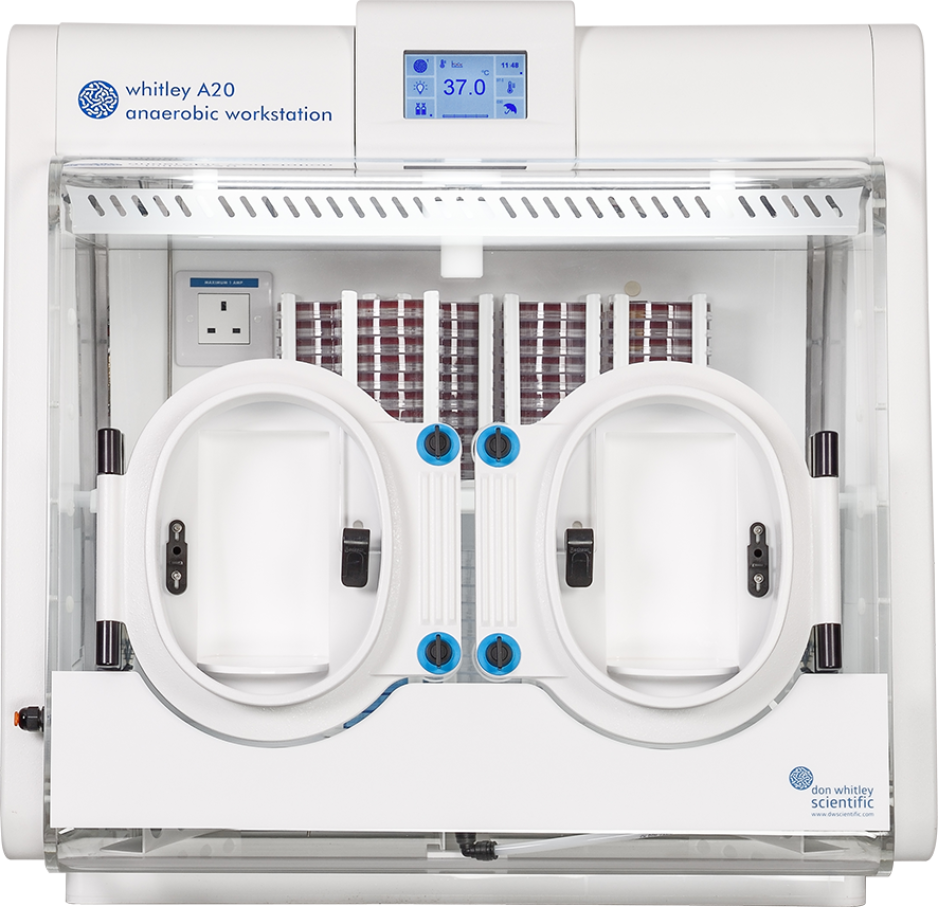
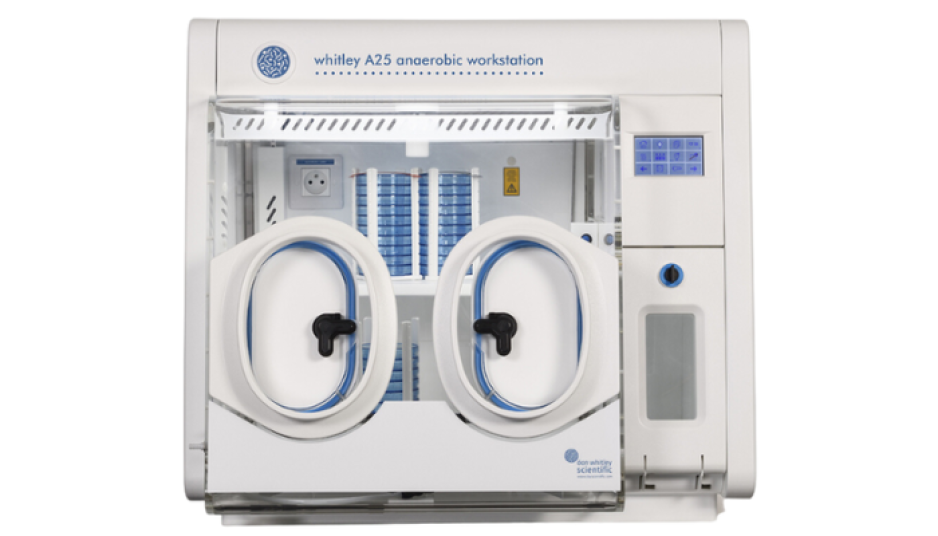
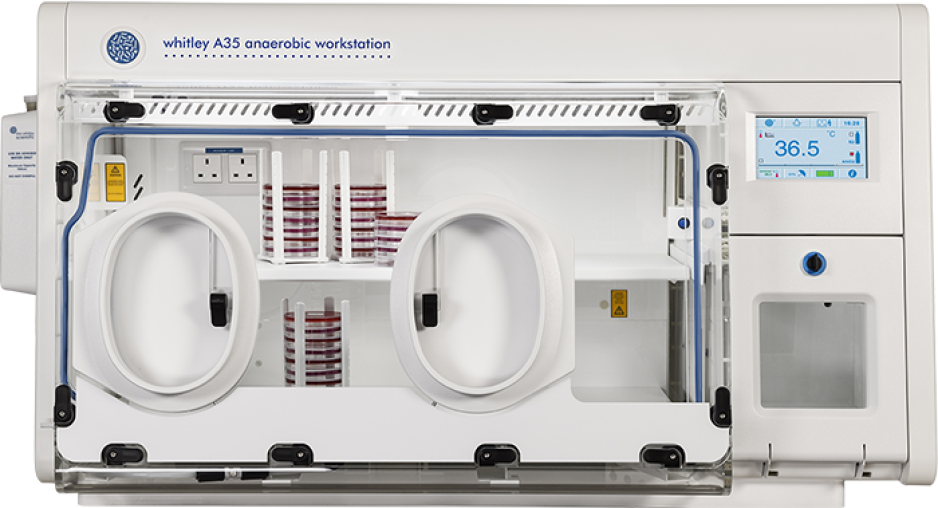
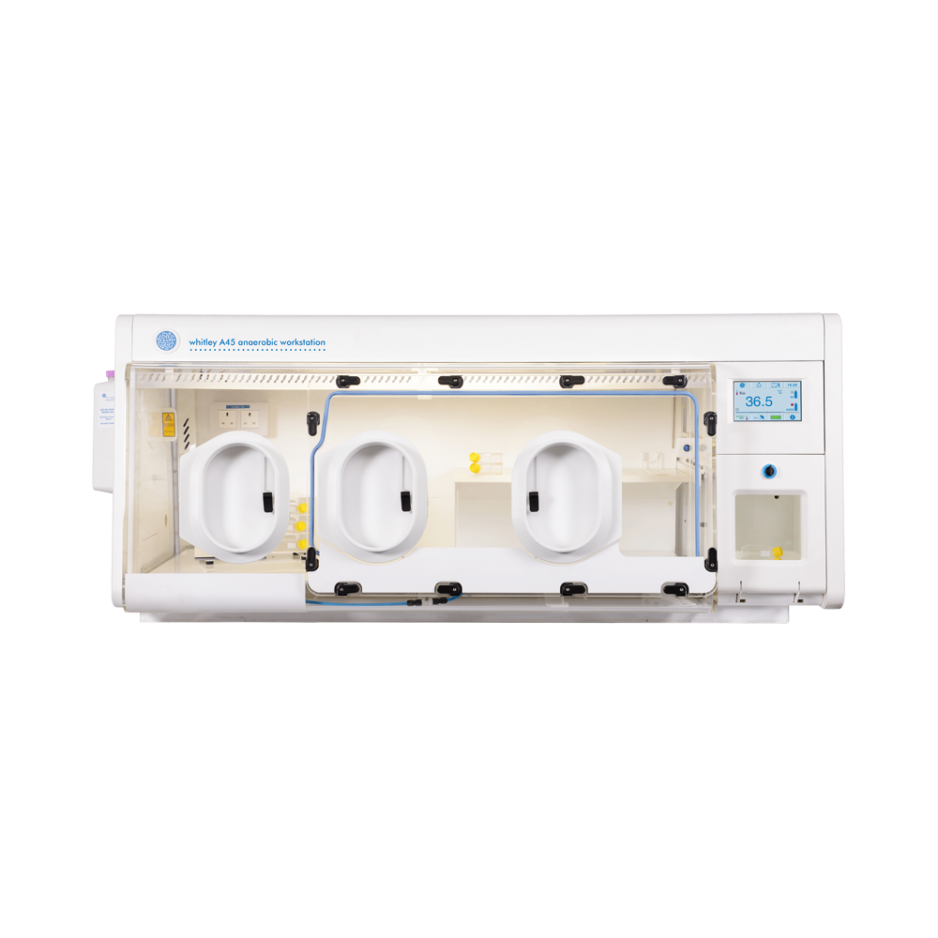
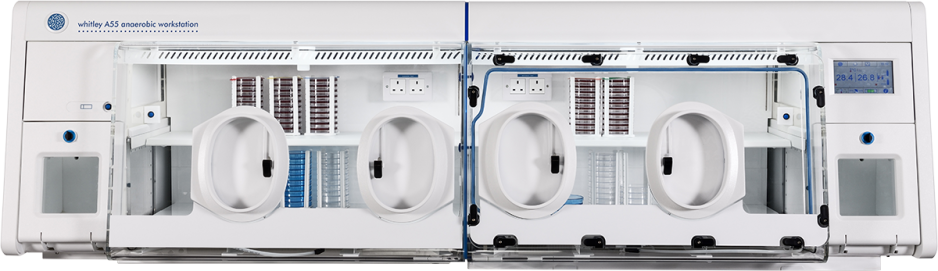
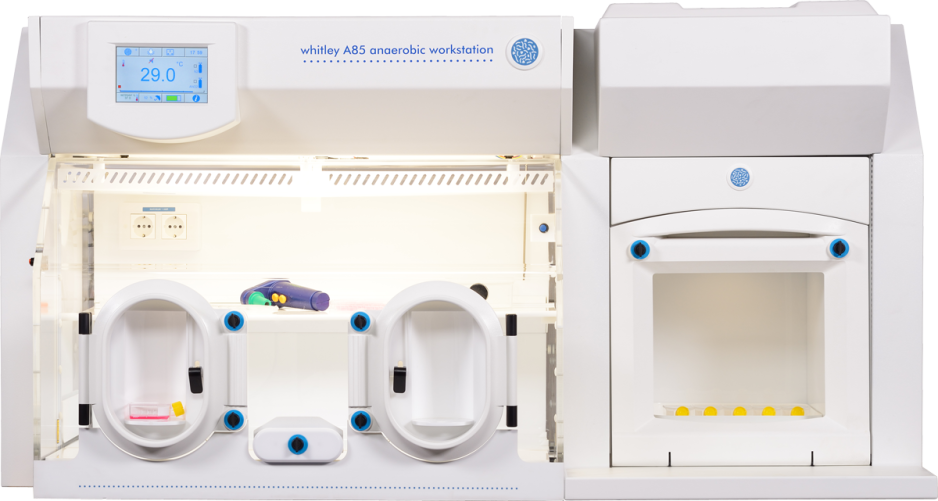
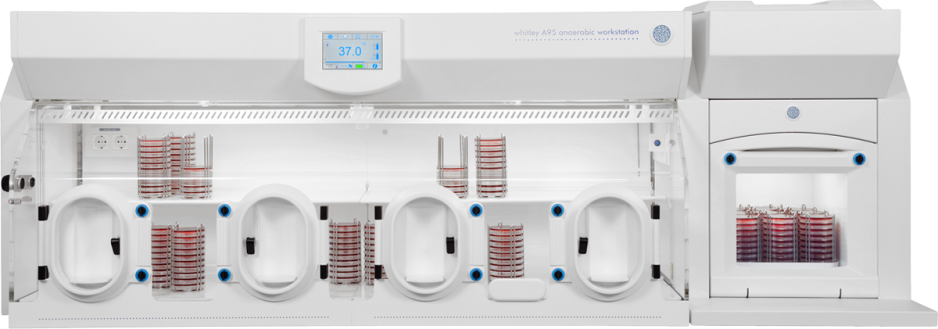
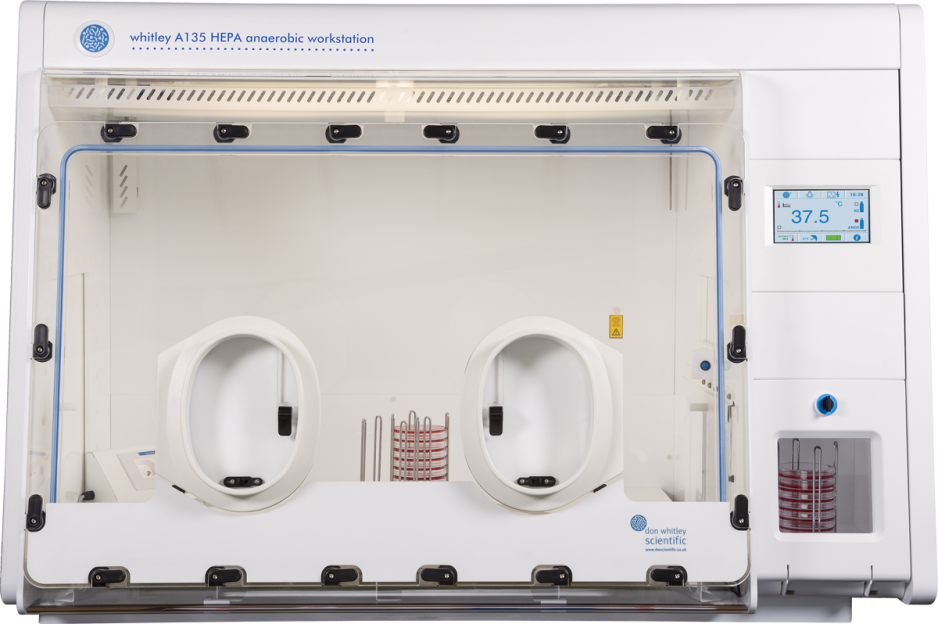
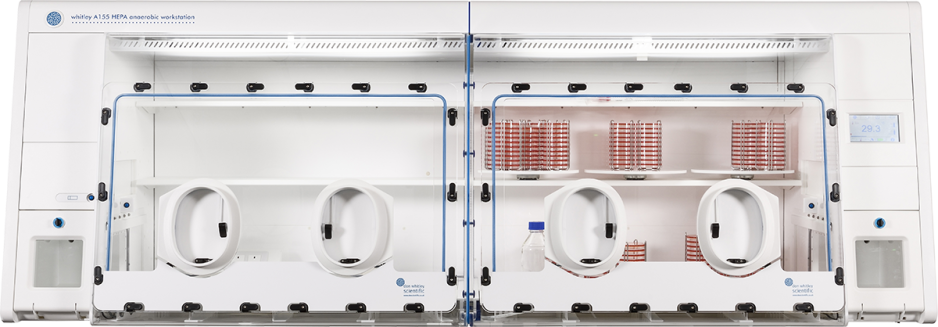
Dies unterstreicht nicht nur die Notwendigkeit der richtigen Ausrüstung – wobei anaerobe Arbeitsstationen für viele Labore die bevorzugte Wahl sind – sondern auch geeigneter Schulung und Erfahrung. Wie Dr. Copsey-Mawer betonte, können sogar routinemäßige Empfindlichkeitstests beeinträchtigt werden: „Bei Metronidazol kann es zu falscher Resistenz kommen, wenn die anaeroben Bedingungen nicht korrekt sind.“ Dies betont die Bedeutung der präzisen Kontrolle von Sauerstoffgehalt, Temperatur und Luftfeuchtigkeit, Bedingungen, die zuverlässig mit anaeroben Arbeitsstationen erreicht werden können.
Aus diesem Grund arbeitet Don Whitley Scientific (DWS) eng mit der UK Anaerobe Reference Unit (UK ARU) zusammen und führt den jährlichen „Practical & Clinical Microbiology of Anaerobes Course“ (P&CMAn) durch. Dieses zweitägige Präsenzprogramm wird von der UK Anaerobe Reference Unit, Public Health Wales, Cardiff, durchgeführt. Als perfekte Kombination aus Theorie und Praxis ist der P&CMAn-Kurs einer der wenigen und ältesten anaeroben Kurse im Vereinigten Königreich. Ziel des Kurses ist es, Verständnis für anaerobe Bakterien in klinischem Material zu fördern, deren Bedeutung in der klinischen Mikrobiologie hervorzuheben, grundlegende Kompetenzen in Isolations- und Identifikationsmethoden zu entwickeln und letztlich die Standards der anaeroben Mikrobiologie in klinischen Laboren zu verbessern.
Wachsende Bedeutung von Ausbildungen und Schulungen
Der erneute Fokus auf Anaerobier erstreckt sich über das Vereinigte Königreich hinaus. Dr. Linda Veloo vom Universitätsklinikum Groningen hebt das Ausmaß der Herausforderung hervor:
„Anaerobier im klinischen Umfeld verdienen mehr Aufmerksamkeit aufgrund ihrer zunehmenden antibiotischen Resistenz, einschließlich Resistenz gegen Reserveantibiotika. Mehr als 95% unseres kommensalen Mikrobioms bestehen aus Anaerobiern, und der Austausch von Resistenzgenen zwischen Bakterien erfolgt ebenso leicht wie Kinder, die Kaugummi teilen.“
Dr. Veloo ist zudem an der Durchführung eines niederländischen Schulungskurses ähnlich dem P&CMAn in Groningen beteiligt, das nächste Event ist für 2027 geplant.
Dr. Veloo und Dr. Copsey-Mawer haben kürzlich an der vierten Auflage von „Introduction to Clinical Anaerobic Bacteriology“ zusammengearbeitet, die von Don Whitley Scientific veröffentlicht und für diesen Sommer erwartet wird. Dies unterstützt Labore weiterhin mit praktischen Leitlinien, während sich die anaerobe Diagnostik weiterentwickelt.
Gemeinsam tragen methodische Fortschritte, verbesserte Laborbedingungen und die erneute Betonung von Schulungen und Ausbildungen dazu bei, wie anaerobe Infektionen diagnostiziert und behandelt werden. Was einst als Nischenthema galt, wird zunehmend zentral für die moderne klinische Mikrobiologie.



 England