

 AT
AT
Tumour hypoxia is known to influence cancer progression and can affect how tumours respond to treatment. Understanding how low oxygen levels alter the tumour microenvironment is helping researchers identify new therapeutic targets and improve patient outcomes.
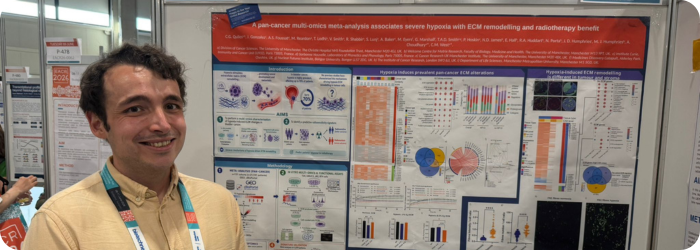
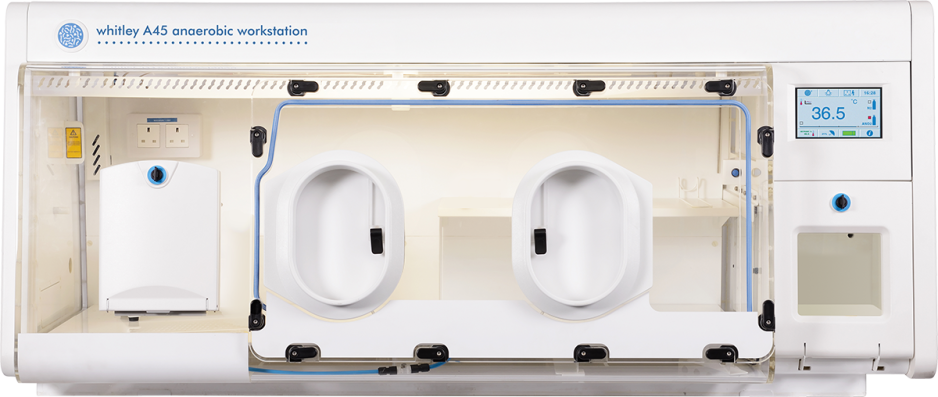
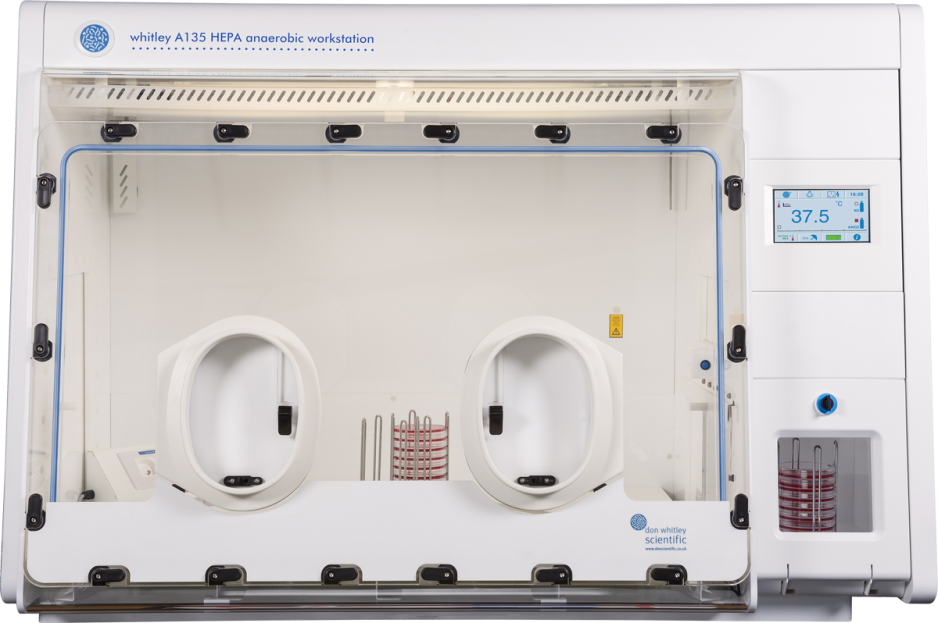
At the University of Manchester and The Christie NHS Foundation Trust, post-doctoral researcher Conrado Guerrero Quiles is investigating these questions using the Whitley A45 Anaerobic Workstation to recreate clinically relevant oxygen conditions in the laboratory. Thanks to the DWS Travel Grant, he recently presented his latest findings at the European Association for Cancer Research (EACR) 2026 Congress in Budapest.
Research Spotlight: Hypoxia-driven extracellular matrix remodelling
“My research focuses on translational radiobiology, with particular interest in tumour hypoxia, extracellular matrix (ECM) biology and radiotherapy response.
At the EACR Congress in Budapest, I presented my poster, A pan-cancer multi-omics meta-analysis associates severe hypoxia with ECM remodelling and radiotherapy benefit. This work investigates how low oxygen levels within tumours alter the extracellular matrix, the structural network that surrounds cancer cells, and how these changes may influence cancer cell behaviour and response to radiotherapy.
Our study combined large-scale transcriptomic meta-analysis, multi-omics validation, spatial transcriptomics and functional assays. By comparing normoxic and hypoxic conditions, we identified hypoxia-associated ECM changes across cancer types and developed a candidate ECM signature linked to radiotherapy benefit. Importantly, our experimental work suggested that sever hypoxia drives a fibronectin-rich ECM state and may shift tumour cell dependence towards FN1/ITGA5 signalling, influencing migration adhesion and radiosensitivity.
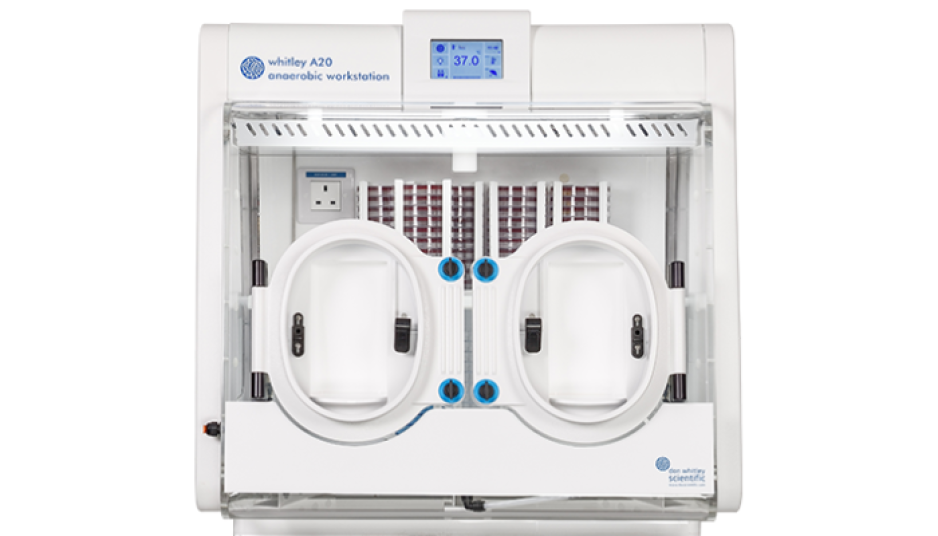
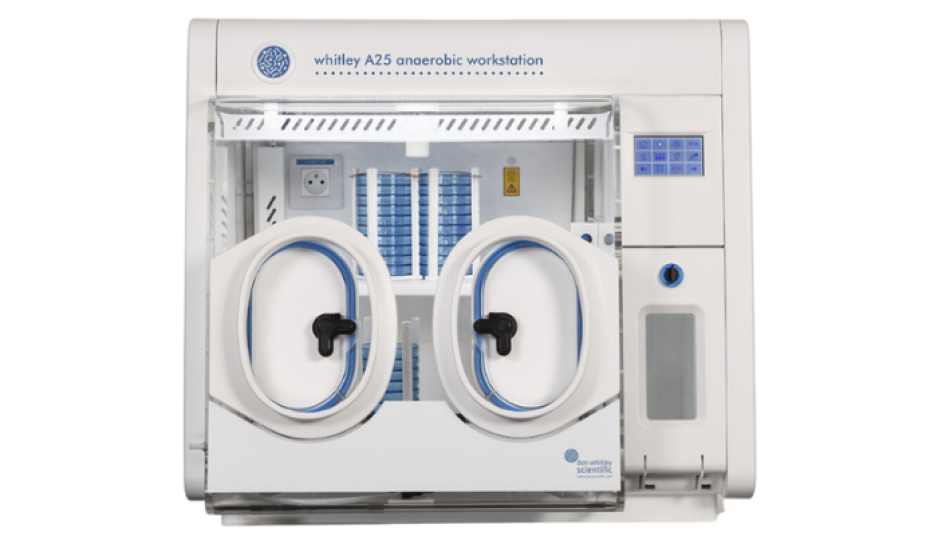
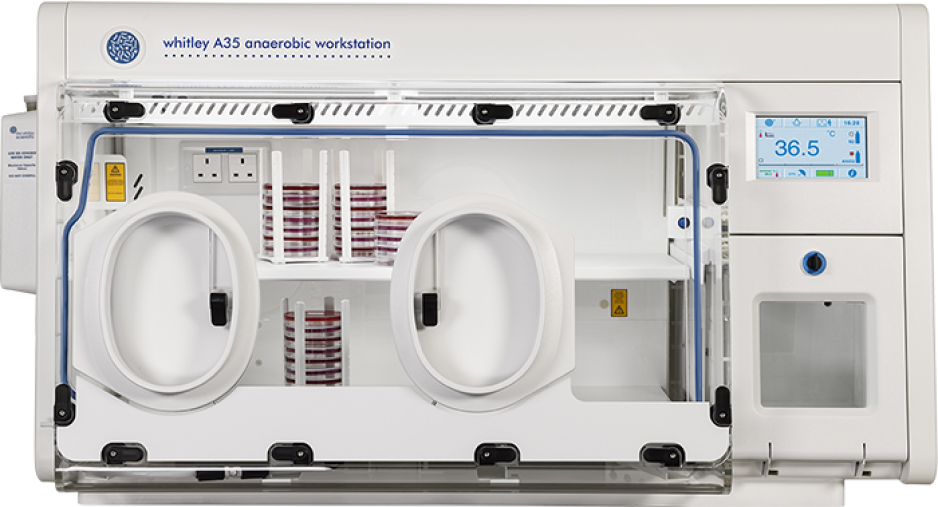
The Whitley A45 Workstation was an important part of this research, allowing us to model controlled oxygen conditions that better reflect clinically relevant tumour hypoxia. Being able to expose cells to defined oxygen levels, including severe hypoxia, was essential for understanding how different hypoxic states reshape the ECM and alter cancer cell responses.
Presenting this work at EACR 2026 was extremely valuable. The meeting brought together researchers working across basic, translational and clinical cancer science, providing an ideal environment to discuss the biological and therapeutic implications of hypoxia-driven ECM remodelling. The poster session allowed me to receive constructive feedback from scientists with expertise in tumour microenvironment biology, spatial profiling, radiotherapy and biomarker development. These discussions helped refine how we communicate the translational relevance of our findings and highlighted future directions for validating the ECM signature in clinically relevant settings.
Attending EACR also offered an excellent opportunity to build new connections, explore potential collaborations and gain insight into emerging approaches in cancer biology. I am very grateful to Don Whitley Scientific for supporting my attendance and enabling me to share this work with the wider international cancer research community.”
We are delighted to have supported Conrado’s attendance at EACR 2026 and to have played a part in sharing this important research with the wider scientific community. To learn more about his work on hypoxia-driven ECM remodelling, view the full research poster here.




 England