

 AT
AT
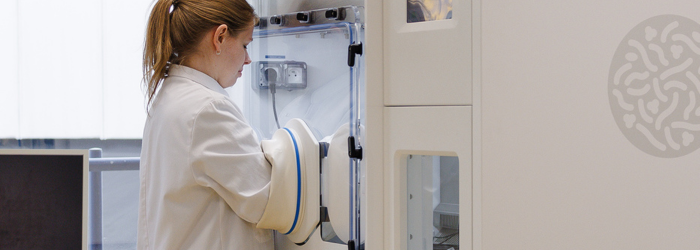
With increasing regulatory requirements and the growing complexity of human-focused research, the need for controlled, reproducible, and fully traceable environments has become more critical than ever. As a result, laboratories are turning to Good Manufacturing Practice (GMP)-compliant systems to meet these demands whilst supporting reliable and high-quality research outcomes. Developed in collaboration with customers running GMP licensed facilities, Don Whitley Scientific’s (DWS) range of GMP workstations are specifically designed to support studies conducted in these regulated environments.
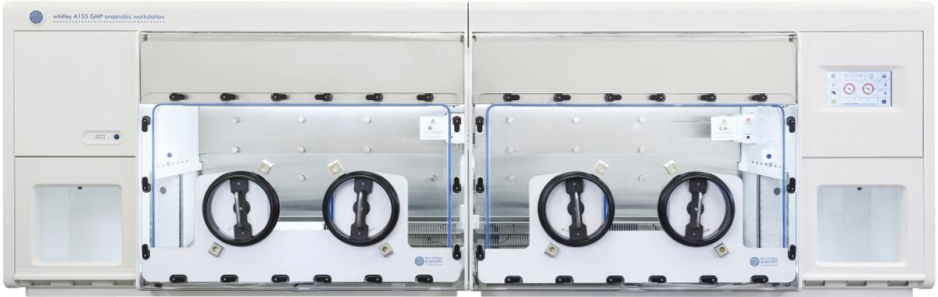
Research conducted at Leiden University is a strong example of this in practice, where the A135 GMP Workstation is used for the production and quality control of live bacteria for administration to human subjects. Wiep Klaas Smits, Associate Professor and Group Leader, has worked extensively with Whitley workstations across a range of models.
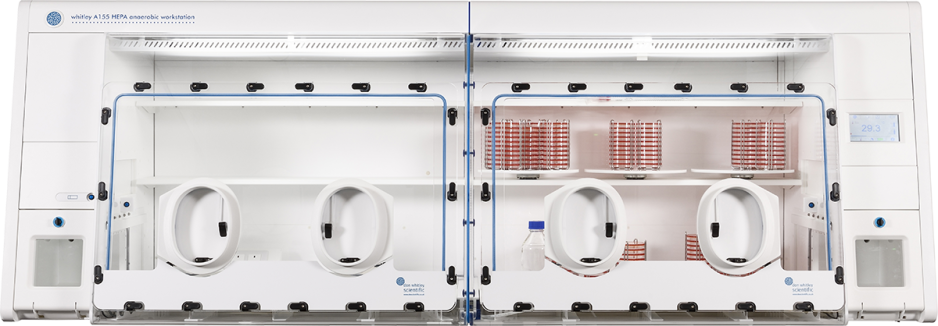
“We have been using various Whitley Workstations for about 17 years now,” says Wiep, reflecting on the longevity of the partnership. “This includes VA1000, DG250, A35, A55 HEPA and A135 GMP models.”
Building on this experience, Wiep highlights how the workstation has supported the integration of anaerobic processes into a regulated environment for Leiden University’s human challenge studies:
“Because of its features, we were able to incorporate anaerobic bacterial culture into a process that aligns with GMP principles without having to establish production in a clean room”.
Expanding on the features that made this possible, he adds:
“In particular, the qualification as an isolator (Grade A cleanliness), continuous and remote monitoring, and laminar flow were key aspects that made us opt for this cabinet in our production process.”
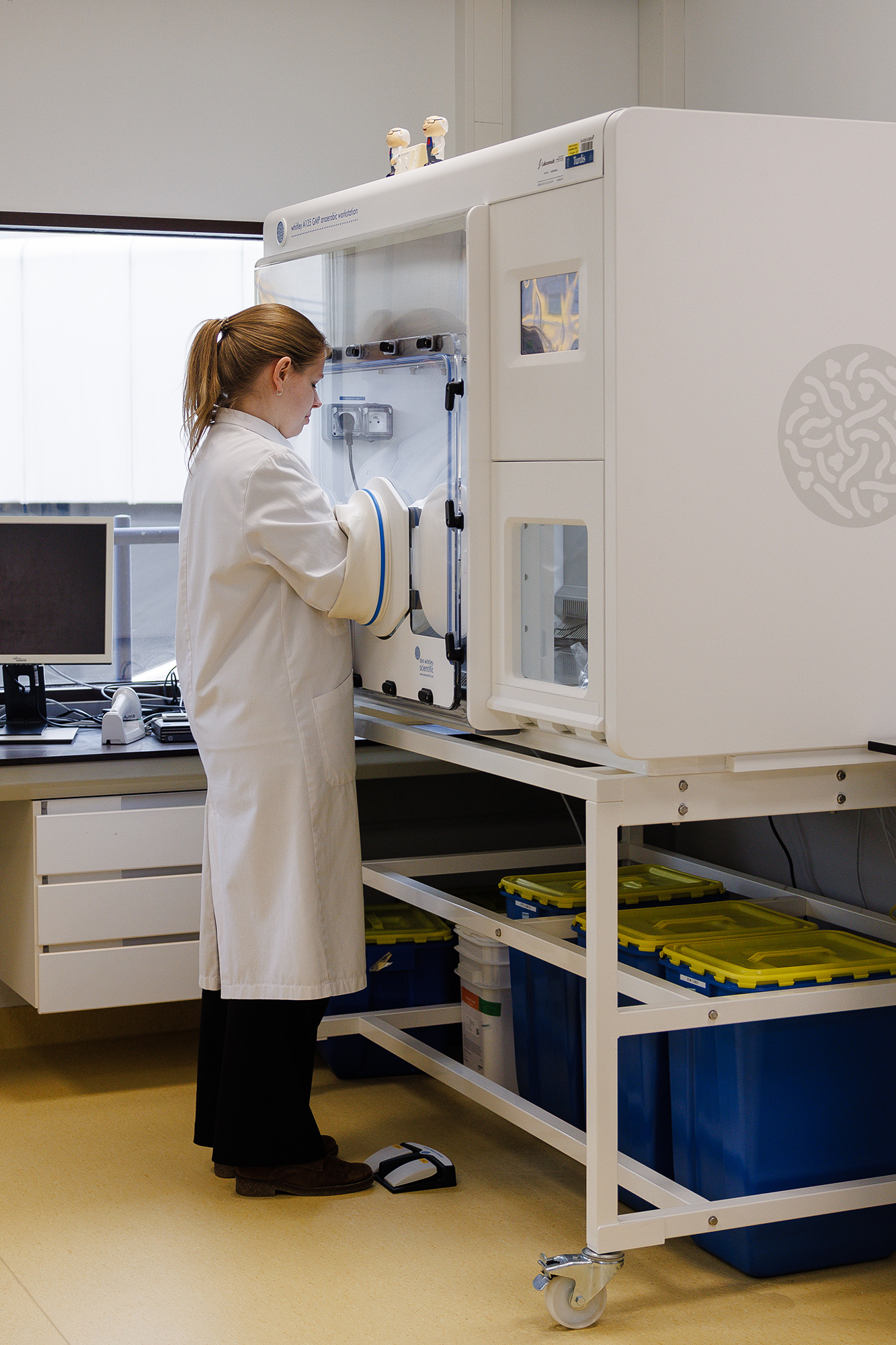
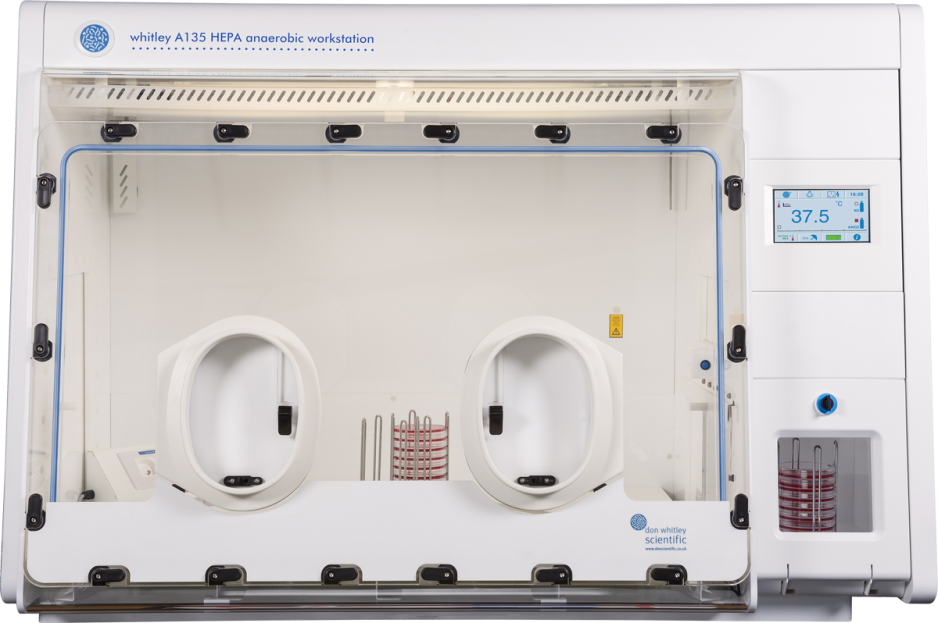
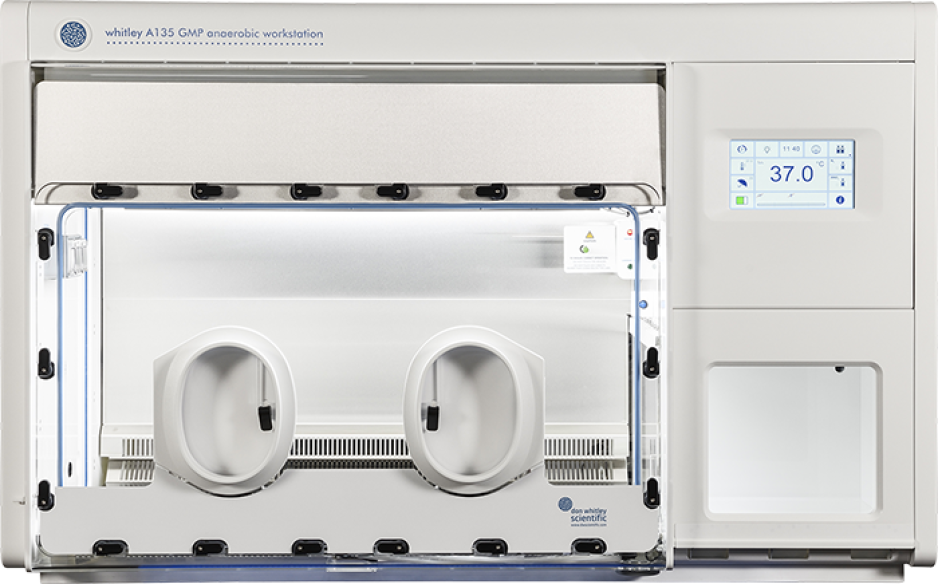
The A135 GMP Anaerobic Isolator (GB Patent No. 2593277) combines sterile uni-directional airflow, positive operating pressure, and physical isolation to provide highly effective product protection. Unlike traditional isolators that use inlet air from the surrounding room, the workstation is a fully closed recirculating system and can be housed in a Grade D cleanroom during GMP-compliant use. In addition, each workstation is tested to ensure compliance with the relevant portions of ISO 14644-3, providing reassurance for laboratories working under these strict conditions.
Alongside these technical capabilities, Wiep also noted that long-term usability and reliability have also been key factors in Leiden University’s continued use of Whitley workstations:
“We have been particularly pleased with the ease of use of the Whitley Workstations. The cabinets work reliably, and we have been impressed with the continuous innovation in the line-up.”
We would like to thank Wiep for taking the time to share his experience of using Whitley Workstations over many years. His insights reflect the importance of dependable, high-quality systems in enabling regulated microbiology research, especially as requirements around human studies continue to evolve.
The Whitley GMP isolator range is specifically designed to support these changing needs, helping laboratories maintain controlled, compliant environments while continuing to push the boundaries of microbiological research. To find out more about how this instrumentation can support your workflow, email sales@dwscientific.co.uk today.




 England